
Krátka odpoveď: Aké dĺžky prívodného vedenia faucetu skutočne potrebujete?
Kúpte si 20-palcové prívodné vedenie s 3/8-palcovým kompresným pripojením pre väčšinu výmen v kúpeľni a kuchynskom dreze. Štandardné dĺžky prívodného potrubia k kohútiku sú 12 palcov, 16 palcov, 20 palcov a 30 palcov a 20-palcová veľkosť pokrýva väčšinu bytových inštalácií, kde je uzatvárací ventil umiestnený vo vnútri skrinky pod umývadlom. Najbežnejší priemer je 3/8 palca a najbežnejšia montážna sada je 3/8-palcová kompresia na konci uzatváracieho ventilu s 1/2-palcovou závitovou maticou na konci kohútika.
Táto príručka odráža konvencie dimenzovania a montáže používané v aktuálnych produktových radoch na roky 2025-2026 a inštalačných príručkách a poskytuje vám rovnaký rozhodovací proces, aký používa inštalatér. Ak je medzera medzi uzatváracím ventilom a koncovkou kohútika kratšia ako štandardné pravítko, zvládne to 16-palcová linka. Ak je medzera bližšie k dĺžke vášho predlaktia, zvoľte 20-palcovú čiaru. Nižšie uvedené časti vysvetľujú, prečo tieto dve veľkosti dominujú, ako presne merať, ktorý priemer a typ závitu zodpovedá vášmu uzatváraciemu ventilu a kedy neštandardné nastavenia, ako sú dávkovače vody a kohútiky na 5-galónové fľaše, sa riadia úplne inou knihou pravidiel.
| Dĺžka | Typické použitie | Kde to vidíte |
|---|---|---|
| 12 palcov | Stojanové drezy a nástenné ventily, kde výstup je takmer priamo pod driekom batérie | Kompaktné toalety, závesné záchody |
| 16 palcov | Kúpeľňové umývadlá s ventilom namontovaným 6 až 8 palcov pod vstupom kohútika | Väčšina jednoumývadlových kúpeľňových inštalácií |
| 20 palcov | Hlbšie kuchynské spodné skrinky; odsadenie ventilu od koncovky kohútika | Predvolená dĺžka výmeny pre väčšinu umývadiel |
| 30 palcov | Široké dvojité umývadlá; ventil na vzdialenej strane skrinky; sťahovacie kuchynské batérie s dlhou stopkou | Veľký statok a barové umývadlá |
| 40 až 60 palcov | Toalety, boxy na práčky, ventily s predĺženým dosahom a inštalácie s predĺženým dosahom | Prípojky inžinierskych sietí a spotrebičov namiesto drezových batérií |
Prečo je dĺžka funkčným detailom, nielen fit detailom
Napájacie vedenie kohútika je krátky flexibilný konektor medzi pevným bodom, uzatváracím ventilom a pohyblivým bodom, kohútikom. Majitelia domov majú tendenciu zameriavať sa na konce, matice a podložky, ale dĺžka riadi tri veci: mechanické namáhanie, zalomenie a ako ľahko dosiahnete obe pripojenia počas servisu.
Príliš krátky je skutočným nebezpečenstvom. Linka, ktorá sa musí natiahnuť, ťahá koncovku kohútika a uzatvárací ventil k sebe. Zakaždým, keď niekto otočí rukoväťou, toto napätie sa prenesie do tela ventilu a základne batérie. Počas niekoľkých mesiacov používania môže neustále namáhanie prasknúť kompresný krúžok, uvoľniť maticu alebo prinútiť pletený plášť do ostrého zalomenia. Zalomená čiara je zároveň obmedzením prietoku a budúcim miestom úniku.
Príliš dlho je oveľa menej riskantné. Dodatočná dĺžka sa jednoducho zamotá a slučka úhľadne zastrčená na stene skrinky neuškodí. Hydraulicky je rozdiel medzi 16-palcovou a 30-palcovou dĺžkou 3/8-palcového potrubia zanedbateľný pri bežných prietokoch v domácnosti, takže nestrácate tlak zväčšovaním veľkosti. Použite káblovú pásku, aby ste udržali slučku mimo odtokového sifónu a podlahy skrinky a inštalácia zostala prevádzkyschopná roky.
Priemer: 3/8-palcové vs 1/2-palcové napájacie vedenia
Dva priemery pokrývajú asi 95 percent domácich drezových batérií: 3/8 palca a 1/2 palca. Číslo sa vzťahuje na nominálny vnútorný priemer rúrky, nie na veľkosť matice na oboch koncoch.
- 3/8-palcový riadok: bytový štandard pre kúpeľňové batérie a väčšinu kuchynských batérií. Pripája sa k 3/8-palcovému kompresnému uzatváraciemu ventilu, čo je štýl používaný takmer v každom dome postavenom od 70. rokov minulého storočia.
- 1/2-palcový riadok: používa sa tam, kde je uzatvárací ventil 1/2-palcový kompresný typ, ktorý sa často vyskytuje v starších domoch, na kuchynských batériách s vysokým prietokom a na niektorých zariadeniach európskeho štýlu. Dodáva väčší objem vody, čo je dôležité, keď kuchynská batéria beží na plný prúd, kým sa umývačka riadu plní.
Skúška armatúr v teréne: ak je vonkajší priemer mosadznej matice na konci ventilu približne 1/2 palca, čiara je 3/8-palcová kompresia. Ak má matica priemer približne 5/8 palca, čiara je 1/2-palcová kompresia. Toto je rýchla kontrola, ktorú používajú inštalatéri pod umývadlom a rovnaké čísla sú zvyčajne vytlačené aj na boku pletenej bundy.
Existujú väčšie veľkosti. 5/8-palcová linka sa objavuje na niektorých komerčných nápojových zariadeniach a 3/4-palcová linka sa používa na predĺženie hlavnej linky a vonkajšie hydranty. Pre štandardnú drezovú batériu neplatí ani jeden rozmer; nákup jedného z nich znamená nákup adaptérov a prepracovanie uzatváracieho ventilu bez funkčného zisku.
Ako zmerať prívodné vedenie kohútika za päť minút
Meranie je jednoduché, ale dôležitá je metóda. Zvinovací meter držaný v priamej línii medzi dvoma spojovacími bodmi vždy podhodnotí potrebnú dĺžku, pretože inštalovaná línia sa musí ohýbať okolo odtoku, steny skrinky a sifónu P.
Metóda 1: Meranie existujúcej čiary
- Zatvorte oba uzatváracie ventily a odstráňte staré vedenie z koncovky kohútika a výstupu ventilu.
- Položte starú linku naplocho na podlahu a zmerajte iba pružnú časť medzi dvoma tvarovkami. Nezahŕňajte orechy.
- Zaokrúhlite na najbližšiu štandardnú veľkosť: 12, 16, 20 alebo 30 palcov.
- Pred odchodom do obchodu skontrolujte obe koncovky a zapíšte si ich.
Metóda 2: Meranie medzery bez starej čiary
- Zvinovací meter držte od stredu výstupu ventilu po stred vstupu kohútika.
- Nasledujte trasu vedenia, vrátane jednej hladkej krivky, ktorá vyčistí odtok a základňu skrinky.
- K tomuto číslu pridajte 4 až 6 palcov uvoľnenia, aby boli matice ľahko dostupné a kohútik sa dal pri budúcich opravách stále vybrať zo skrinky.
- Porovnajte so štandardnými dĺžkami v tabuľke vyššie a vyberte ďalšiu veľkosť.
Nikdy si nevyberajte líniu, ktorá sa musí natiahnuť, aby zapadla. Dĺžka, ktorá dosiahne iba pod napätím, nakoniec unikne na kompresnej matici, a to je najčastejšia príčina odkvapkávania, ktoré nájdete na zadnej strane skrinky mesiace po výmene kohútika.
Typy tvaroviek a závitov: kde sa rovnaká dĺžka stále kazí
Prívodné potrubie je definované tromi číslami: jeho dĺžka, jeho vnútorný priemer a obe koncové armatúry. Dve vedenia s rovnakou dĺžkou môžu byť stále nekompatibilné, ak koncové pripojenia nezodpovedajú uzatváraciemu ventilu a drieku batérie.
- Kompresné armatúry: mosadzná matica, ktorá sa utiahne cez malú objímku. Toto je štandard pre bytové uzatváracie ventily a najbežnejšie pripojenie na konci ventilu v tabuľke vyššie.
- IPS (veľkosť železnej rúry): rovné závity, ktoré sa naskrutkujú priamo na závitový výstupok ventilu. To je bežné na prívodných vedeniach toaliet a na niektorých starších inštaláciách umývadla.
- Push-fit alebo rýchle pripojenie: hadica tlačí priamo cez výstup ventilu a uzamyká sa uvoľňovacou klieštinou. Push-fit pripojenia sa rozšírili v polovici roku 2010 av súčasnosti sú štandardom v súpravách dávkovačov vody, filtračných systémoch a mnohých nových baleniach príslušenstva.
Na konci kohútika je armatúra zvyčajne 1/2-palcová závitová matica, ktorá sa naskrutkuje na driek kohútika. Väčšina náhradných liniek na sklade v železiarstvach má 3/8-palcovú kompresiu na strane ventilu a 1/2-palcový vnútorný závit na strane batérie, pretože táto kombinácia zodpovedá tomu, čo už má typický drez.
Pamätajte, že adaptéry zvyšujú dosah. Ak potrebujete previesť 1/2-palcový uzatvárací ventil nadol na 3/8-palcové vedenie, adaptér pridá k fyzickému rozpätiu približne 1 palec. Samotný vlasec potom môže byť o číslo kratší, ale praktickým pravidlom je zachovať rovnakú nominálnu dĺžku a jednoducho absorbovať prebytočný palec vo voľnosti. Jedinou najčastejšou chybou pri výmenných prácach je kontrola dĺžky, ignorovanie koncových armatúr a prinesenie linky, ktorá sa nedá fyzicky spojiť.
Materiály zásobovacích liniek a ich zmena pre vašu dĺžku
Materiál určuje, aká zhovievavá bude zvolená dĺžka v tesnej skrinke. Pevná čiara potrebuje presnejšie meranie; flexibilný vlasec toleruje jednu alebo dve slučky navyše bez sťažností.
| Materiál | Flexibilita smerovania | Najlepšie pre | Hlavná slabina |
|---|---|---|---|
| Pletená nehrdzavejúca oceľ | Vysoká; robí hladké otočenie do U vo vnútri márnosti | Väčšina drezových batérií, horúcich a studených liniek | Môže byť príliš utiahnutý a rozdrvený na objímke |
| Splietaný nylon alebo PVC | Vysoká, ale bunda sa ľahšie odiera | Rozpočtové výmeny, prípojky len so studenou vodou | Poškodenie, ak sa odre o základňu skrinky |
| Vlnitá meď | Nízka; ohýba sa len na vlnitých spojoch | Exponované inštalácie a dlhá životnosť | Nemôže absorbovať uvoľnenie; meranie musí byť presné |
| PEX hadičky | Veľmi vysoká; odoláva zalomeniu | Dlhší chod a úzky úžitkový priestor | Vyžaduje krimpovacie krúžky alebo zasúvacie konektory |
| Potravinová silikónová trubica | Vysoká; zachováva pružnosť pri používaní za tepla aj za studena | Dávkovače vody, zariadenia na prípravu kávy, nápojové linky | Odrezané konce musia byť štvorcové, aby sa zabezpečilo tesnenie zasúvaním bez úniku |
Potravinársky silikón si zaslúži bližší pohľad, pretože je to materiál, ktorý sa najviac približuje k tradičnému prívodnému vedeniu používanému mimo domovej inštalácie. Vo vodných chladičoch a dávkovačoch nápojov silikónové hadičky úplne nahrádzajú pletenú šnúru: pripája sa priamo k rýchlospojke alebo vývodu z vodovodného kohútika, toleruje opakované horúce a studené cykly bez vytvrdzovania a jej dĺžka sa meria od odrezaného konca po odrezaný koniec, a nie medzi pevnými závitmi ventilu. Ak staviate alebo servisujete tento typ zariadenia, a potravinárska silikónová hadica vám dáva rovnakú logiku dimenzovania v tolerantnejšom materiáli. Rovnaká úvaha platí na strane kohútika, preto tiež zachovávame a porovnanie materiálov pre dávkovacie batérie .
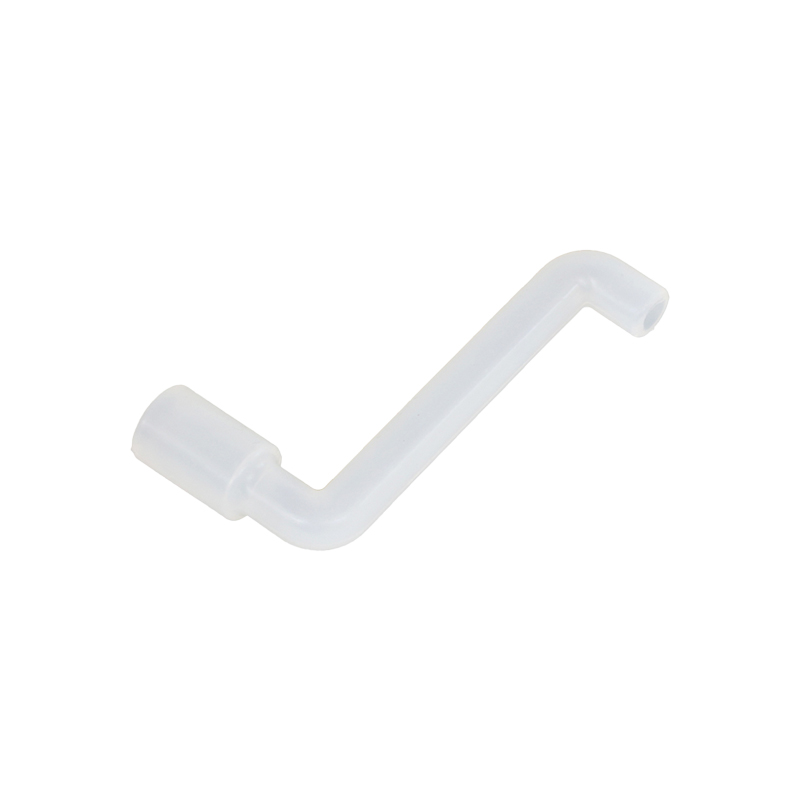 Vlastný veľkoobchodný predaj potravinárskych hadíc, spoločnosť Boda Electrical Appliances Co., Ltd je známy dodávateľ potravinárskych hadíc v Číne, sme na zákazku a veľkoobchod po celom svete. Používa sa na domáce varenie a... Zobraziť produkt →
 Tipy na inštaláciu, aby ste udržali správnu dĺžku bez úniku
Správne dimenzované vedenie stále uniká, ak je technika inštalácie nesprávna. Dobrou správou je, že technika je rovnaká pre každú dĺžku a materiál.
- Každú maticu najskôr dotiahnite rukou, potom kľúčom pridajte iba štvrť až pol otáčky. Kompresné fitingy tesnia pomocou objímky, nie hrubou silou.
- Pred montážou skontrolujte kužeľovú podložku v matici na konci kohútika. Špicatá strana kužeľa smeruje k vstupu kohútika, takže sedí čisto vo vnútri drieku.
- Linku veďte plynulým oblúkom. Ak si usporiadanie skrinky vynúti tesný 90-stupňový ohyb, urobte ohyb aspoň na šírku jedného prsta v polomere, aby sa vrkoč nezovrel do ostrého rohu.
- Počas uťahovania druhej matice neskrúcajte vlasec. Krútenie pletenej nehrdzavejúcej šnúry môže uvoľniť skrútenú armatúru na opačnom konci.
- Pomaly otvárajte uzatváracie ventily, skontrolujte oba konce, či nekvapkajú, potom všetko utrite dosucha a po hodine znova skontrolujte. Pomalé netesnosti zo kompresnej armatúry sa často objavujú až po usadení vedenia.
Ak je váš projekt na strane dávkovača a nie na strane drezu, rovnaká starostlivosť platí aj pre pripojenie kohútika. náš návod na inštaláciu dávkovacieho kohútika krok za krokom v rovnakom praktickom detaile pokrýva koncovku, montážnu maticu a prípojku trubice.
Neštandardné nastavenia: dávkovače, kohútiky na fľaše a vonkajšie kohútiky
Logika dimenzovania prívodného potrubia kohútika sa úplne zmení, keď na obrázku nie je žiadny uzatvárací ventil. Ako výrobca vodovodných kohútikov, kohútikov na fľaše a potravinárskych hadíc sa nás na tieto nastavenia pýtame niekoľkokrát do mesiaca a v troch prípadoch nižšie je najviac zmätku.
Stolové chladiče vody a dávkovače balenej vody
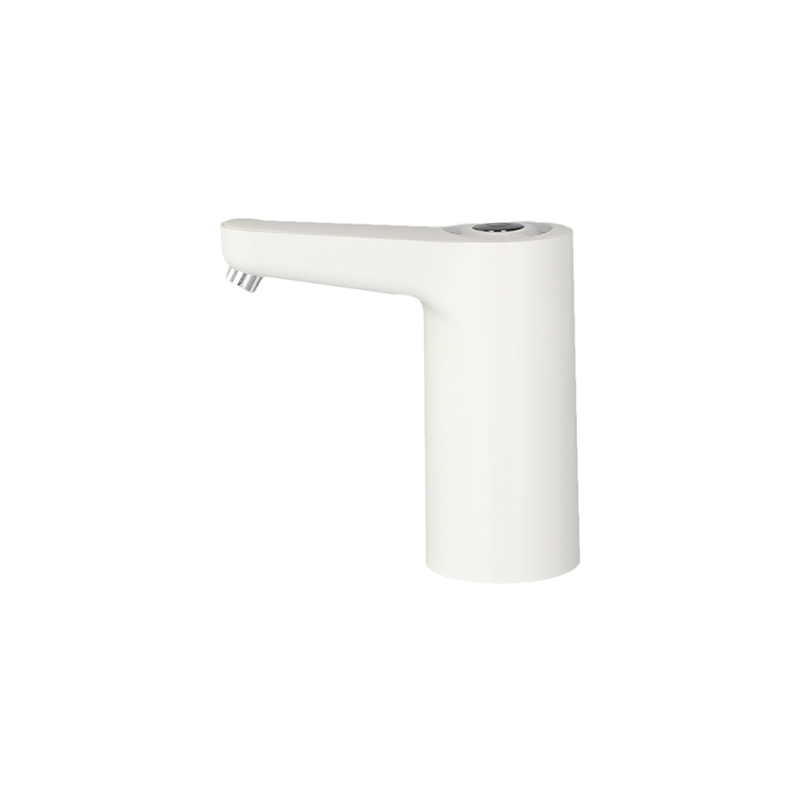
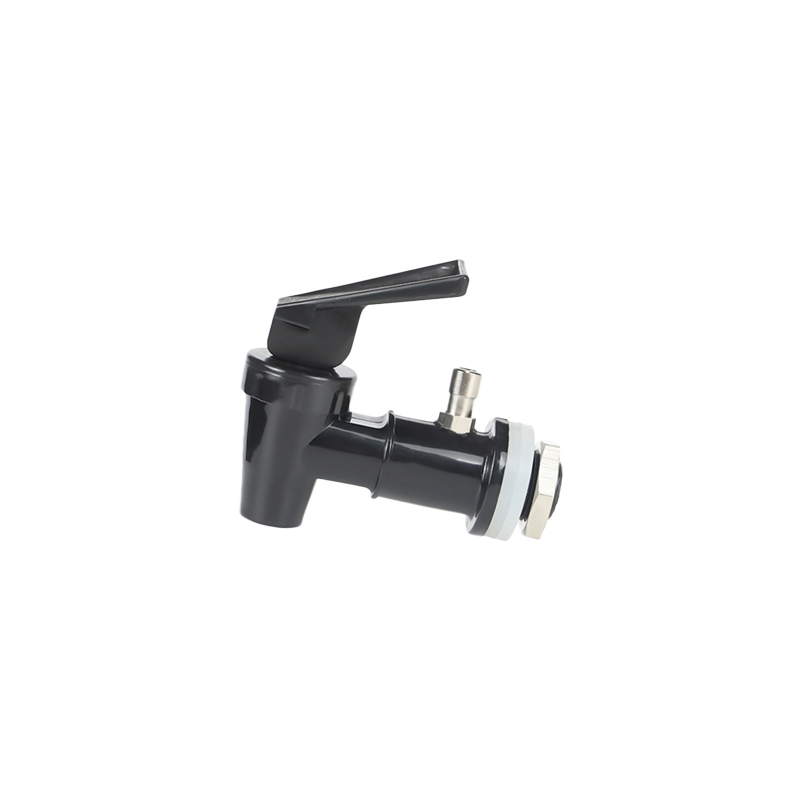
Stolový chladič používa silikónovú kvapkaciu hadičku, ktorá ide dole do fľaše, potom krátke flexibilné alebo pevné spojenie až po hlavu dávkovača. Neexistuje vôbec žiadne prívodné vedenie so závitom. Meranie, na ktorom záleží, je hĺbka ponorenia prípojnej trubice, zvyčajne 7,5 až 10 palcov pre štandardnú 5-galónovú fľašu, a priemer zasúvacej spojky na výstupe čerpadla. Samotný dávkovač sa volí samostatne: a náhradný kohútik dávkovača vody potrebuje správny montážny závit, uhol výtoku a štýl tlačidla alebo páky pre telo chladiča.
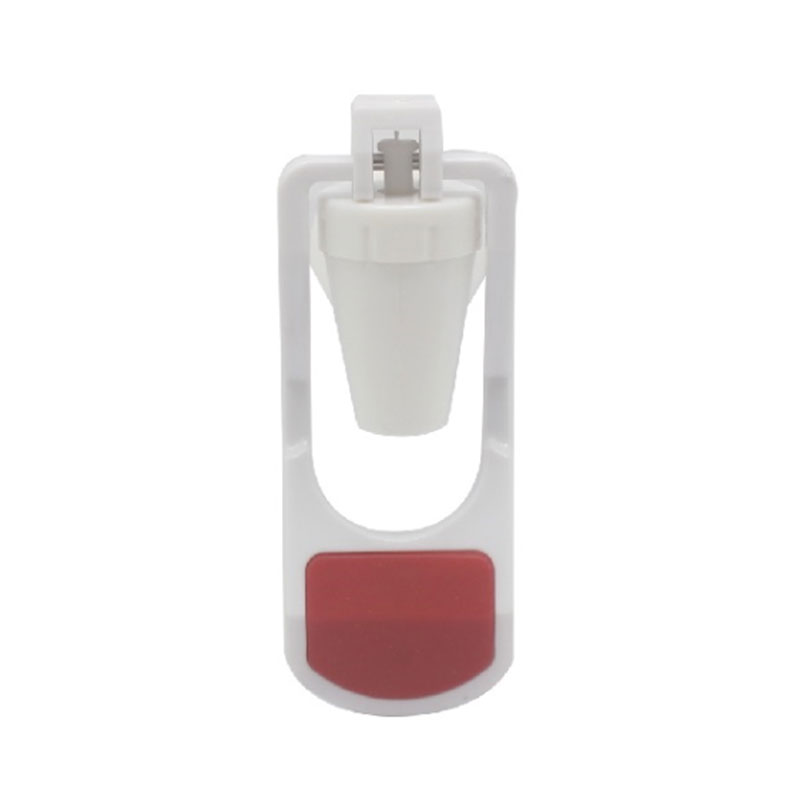 Vlastná veľkoobchodná vodovodná batéria Dodávatelia, spoločnosť Boda Electrical Appliances Co., Ltd je známym dodávateľom vodovodných kohútikov v Číne, sme na zákazku a veľkoobchod po celom svete. Použiteľnosť: wa... Zobraziť produkt →
 5-galónové fľaše so skrutkovacím kohútikom
Kohútik namontovaný na fľaši je samostatné výdajné miesto: neexistuje žiadne prívodné vedenie, pretože kohútik sa nasúva priamo na hrdlo fľaše alebo na stojan. Dĺžky, ktoré skutočne kontrolujete, sú výška výpustu nad odkvapkávacou miskou a priestor pod stojanom na šálku. A 5-galónový stojan na fľaše so skrutkovacím kohútikom kombinuje obe miery do jedného celku, a preto kupujúci porovnávajú skôr výšku stojana a závit závitníka než dĺžku linky.
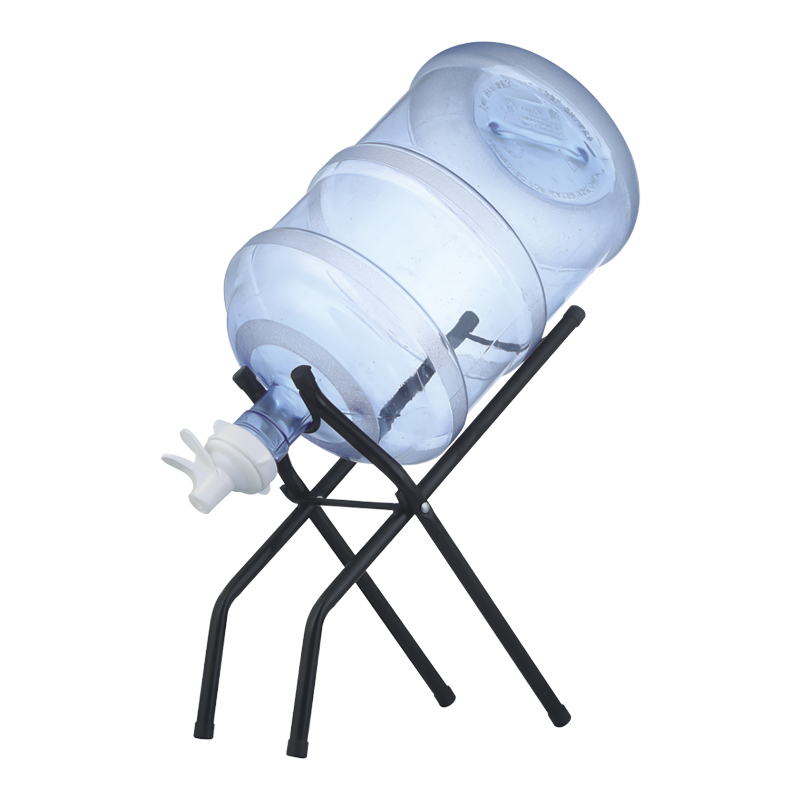 Vlastná veľkoobchodná podpora vo fľašiach na pitie so skrutkovacím kohútikom-faucet pre Boda Electrical Appliances Co., Ltd je známa Čína Pure Drinking fľaškový Support so skrutkovacím kohútikom-faucet pre dodávateľov fliaš, sme c... Zobraziť produkt →
 Vonkajšie podstavce a podbradníky
Vonkajšie hrdlo sa priskrutkuje priamo na pevnú rúrku vo vnútri steny, takže jediným odkrytým pripojením je krátka vsuvka alebo adaptér hadice so závitom. Merajte od čela steny ku koncu závitov, nie od rukoväte k inému zariadeniu. Ak je hrdlo umiestnené 4 až 8 palcov od steny, tesná vsuvka alebo 3/4-palcový hadicový adaptér je celé prívodné vedenie a pletené drezové vedenie nemá v zostave miesto.
Pri ktoromkoľvek z týchto nastavení považujte samotný kohútik alebo kohútik za samostatné rozhodnutie o veľkosti. náš sprievodca nákupom náhradných kohútikov dávkovača uvádza veľkosti závitov, možnosti montáže a štýly výtokov, ktoré je potrebné potvrdiť pred objednávkou, takže súčiastka príde pripravená na inštaláciu a nie pripravená na vrátenie.
Často kladené otázky: Dĺžky a dimenzovanie prívodného potrubia kohútika
Nasledujúce otázky sa opakovane objavujú na inštalačných fórach a v našich vlastných technických otázkach. Odpovede sa riadia štandardnými konvenciami vodovodných potrubí používaných v obytných zariadeniach v rokoch 2025-2026.
- Potrebujem asi 14 palcov medzi ventilom a kohútikom. Mám si kúpiť 12 alebo 16? Kúpte si 16-palcový rad. Skutočné smerovanie vždy potrebuje krivku, takže 12-palcová linka príde pod napätím. Dodatočné 2 palce uvoľnenia nestojí nič a zabraňuje problémom s napínaním popísaným vyššie.
- Môže byť prívodné vedenie príliš dlhé? Pre umývadlo je bezpečné všetko do 30 palcov. Jediným problémom je, kde sedí prebytočná slučka, takže ju voľne zviňte a zaistite mimo odtoku. Pre behy nad 60 palcov prejdite na hadičky PEX a podoprite vlasec každých pár stôp, namiesto toho, aby ste nechali pletenú šnúru klesnúť.
- Znižuje dlhšie prívodné potrubie tlak vody? Nie nejakým zmysluplným spôsobom. Strata tlaku medzi 12-palcovou a 30-palcovou dĺžkou 3/8-palcového potrubia pri bežnom prietoku v domácnosti je zanedbateľná. Oveľa viac záleží na priemere: 1/2-palcová linka nesie zhruba dvojnásobný objem ako 3/8-palcová linka pri rovnakom tlaku, a preto majú kuchynské batérie s vysokým prietokom často 1/2-palcové pripojenia.
- Ako zistím, či môj uzatvárací ventil potrebuje 3/8 alebo 1/2 vedenie? Odmerajte vonkajší priemer matice ventilu. Ak je približne 1/2 palca naprieč, čiara je 3/8-palcová kompresia. Ak je približne 5/8 palca naprieč, čiara je 1/2-palcová kompresia. Vytlačené špecifikácie na plášti linky potvrdzujú obe čísla.
- Kedy by som mal vymeniť opletené nerezové prívodné vedenie? Vymeňte ho, keď uvidíte na opletení pruhy hrdze, zlomené pramene drôtu, viditeľné zalomenie alebo akúkoľvek vlhkosť na zatlačených koncoch. Väčšina opletených nerezových šnúr má uvedenú životnosť v rozmedzí 8 až 10 rokov, podľa typickej tlačenej dokumentácie na obale, takže ich výmena počas inovácie kohútika je lacnou poistkou.
- Musia byť horúce a studené čiary rovnako dlhé? Nie, ale udržiava inštaláciu v poriadku. Každá strana by sa mala merať nezávisle, pretože uzatváracie ventily sú často umiestnené v rôznych vzdialenostiach od vstupov kohútika. Zodpovedajúce dĺžky uľahčujú budúce služby a vyhýbajú sa zacykleniu jedného riadka okolo druhého.